
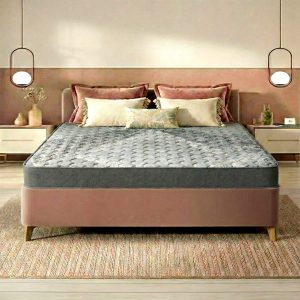
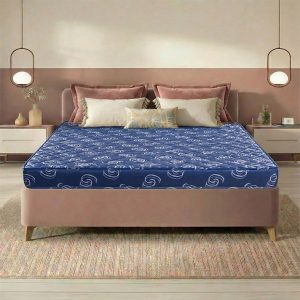
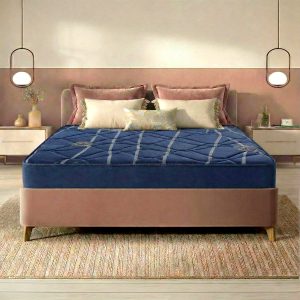
The first time I bought a foam mattress online, I did everything wrong. I sorted by price, picked the one with the most stars, and chose “medium firm” because it sounded like the safe middle. What arrived was a slab that felt like sleeping on a yoga mat wrapped in a blanket — technically a mattress, spiritually a punishment. It took me two more tries and a lot of reading to understand that buying a foam mattress online isn’t hard, but it does require knowing what you’re actually looking at.
This is the guide I wish I’d had: no jargon, no sales pitch, just the honest mechanics of foam mattresses and how to buy one on the internet without regretting it. Because the online route has real advantages — better prices, more choice, delivery to your door — as long as you don’t shop blind.
What a foam mattress actually is (and isn’t)
“Foam mattress” covers a whole family of very different products, and most buyer’s remorse comes from not knowing which family member you’re bringing home.
Memory foam vs regular foam
Regular polyurethane foam — the stuff in most budget mattresses — is basically a sponge. It compresses under your weight and springs back. It’s cheap, it’s light, and in low densities it gives up within a couple of years, developing the dreaded body-shaped dip.
Memory foam is a different material entirely. It responds to heat and pressure, softening where your body is warmest and contouring around your curves instead of just squashing flat. That’s why it has that distinctive slow-melting feel when you lie down — the foam is literally shaping itself to you. A good memory foam mattress distributes your weight across a wider area, which means less pressure on your shoulders, hips and lower back. For side sleepers especially, that contouring is the difference between waking up comfortable and waking up with a dead arm.
Density: the number nobody explains
If you learn one specification, make it density. Foam density — how much material is packed into each cubic foot — is the single best predictor of how long a foam mattress will last. Low-density foam feels fine on day one and collapses early, sometimes visibly dipping within two years of nightly use. High-density foam keeps its shape for years, which is why it costs more and why it’s worth paying for. Sellers love to talk about thickness (“10 inches of premium foam!”) because thickness sounds impressive, but a thick low-density mattress is just a tall disappointment. Always ask about density. A seller who answers clearly knows their product; a seller who changes the subject doesn’t.
Why buying foam online goes wrong
The internet is the best and worst place to buy a mattress. Best because of choice and price; worst because you can’t touch anything, and foam is the one mattress type where touch matters most.
The firmness guessing game
Every online listing says “medium firm,” and no two sellers mean the same thing by it. One company’s medium-firm is another’s rock. This is the single biggest cause of online mattress returns — the feel didn’t match the words. The fix isn’t to trust the label; it’s to understand your own needs. Side sleepers generally need softer surfaces that cushion shoulders and hips. Back and stomach sleepers usually do better with firmer support. Heavier sleepers need denser, firmer foam regardless of position. Know your category before you shop, and you’ll filter out half the wrong options immediately.
The heat complaint
The most common one-star review for foam mattresses bought online is some version of “sleeps hot.” It’s a fair complaint about bad foam — dense material with no airflow design traps body heat. But it’s not a law of nature. Good memory foam mattresses are engineered with breathability in mind: open-cell structures, ventilation channels, covers that wick moisture. When you’re shopping, look for actual descriptions of how the mattress handles heat, not just the word “cooling” slapped on the box. And read the reviews from buyers in warm cities — a foam mattress online that works in air-conditioned showrooms needs to prove itself in real Indian summers.
How to buy without regret
Here’s the practical playbook — the steps that separate the happy buyers from the return-counter regulars.
Read the specs like a detective
Before you look at a single review, read the product specifications. What type of foam, and in which layers? What’s the density of each layer? What’s the warranty period? A listing with detailed, specific specs is a good sign — it means the seller has nothing to hide. A listing that’s all adjectives (“luxurious! premium! orthopedic!”) with no numbers is a red flag. Real specifications are the seller telling you the truth; adjectives are the seller telling you a story.
Try before you buy — yes, even online
The smartest online mattress sellers have figured out that “buy it blind and hope” is a terrible model, and they’ve built try-before-you-buy into the process. Matprro, a Mumbai-based manufacturer making mattresses since 2002, does this particularly well: their doorstep sample service delivers a real 19×19 inch sample of the actual mattress to your home within 48 hours in Mumbai, Pune and Goa. You live with it for two days, feel the real firmness and materials, and then it’s collected. Their Memory Plus memory foam mattress is one of the models available to sample — so you can feel the actual contouring and support before spending a rupee.
This changes the entire maths of buying a foam mattress online. Instead of gambling on descriptions, you run a two-day home trial. Sleep on the sample, check your morning back, see how it handles your room’s temperature. If it passes, you order with confidence. If it doesn’t, you’ve lost nothing but two days.
The practical details that matter
Beyond the foam itself, a few unglamorous details separate good online purchases from bad ones.
Warranty and what it really says
A foam mattress warranty of five years or more means the manufacturer trusts its foam density and construction. Anything less, and you should wonder why. Also check what the warranty actually covers — sagging beyond a certain depth is the standard measure, and reputable makers spell this out clearly.
Exchange, delivery and the old mattress problem
Buying online means a big box arriving at your door — and an old mattress that needs to leave. Matprro’s exchange offer handles both sides: trade in your old mattress for cashback of up to Rs. 2,300 depending on the model, and the old one is taken away. Delivery covers Mumbai, Pune and Goa. And if your bed needs a non-standard size, they customise mattresses to customer specifications rather than forcing you into the nearest standard option.
Frequently asked questions
Is memory foam better than regular foam?
For most sleepers, yes — memory foam contours to your body and distributes pressure better than standard polyurethane foam, and good quality memory foam lasts longer. The trade-off is price and the need to buy from a maker whose foam is genuinely breathable. Cheap memory foam sleeps hot; well-engineered memory foam doesn’t.
How firm should my foam mattress be?
It depends on your sleeping position and body weight. Side sleepers usually need medium to medium-soft so shoulders and hips can sink in; back and stomach sleepers usually need medium-firm to firm for proper spinal support. Heavier sleepers should go firmer and denser regardless. When in doubt, sample first — a memory foam mattress online is much easier to judge after two nights on a real sample than after two hours of reading reviews.
Do foam mattresses sleep hot in Indian summers?
Low-quality foam does. Well-made memory foam with breathable design — open-cell structure, ventilated layers, moisture-wicking covers — sleeps significantly cooler. If you sleep hot, make breathability a top-three criterion and check reviews from buyers in warm, humid cities before ordering.
How long does a good foam mattress last?
A quality memory foam mattress typically lasts seven to ten years, which is why serious manufacturers offer warranties in the five-to-ten-year range. Low-density budget foam can start sagging within two to three years. Density is the predictor — ask about it before you buy.
Can I return a mattress I bought online if I don’t like it?
Policies vary widely, which is exactly why trying a sample first is smarter than relying on returns. A doorstep sample trial lets you judge the real material before committing, so the return question never comes up. Always read the return and warranty terms before ordering from any seller.
The short version
Buying a foam mattress online comes down to four things: know your foam type, check the density, don’t trust firmness labels blindly, and never buy without touching the real thing first. A foam mattress online bought this way isn’t a gamble — it’s an informed decision, backed by a home trial and a real warranty. I learned this the hard way so you don’t have to: the yoga-mat phase of my life is over, and yours never needs to begin.