
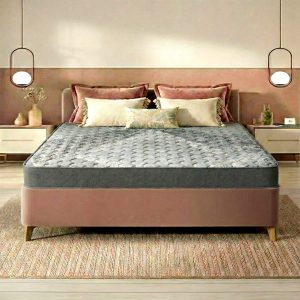
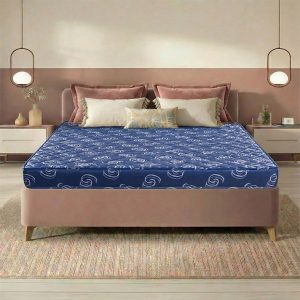
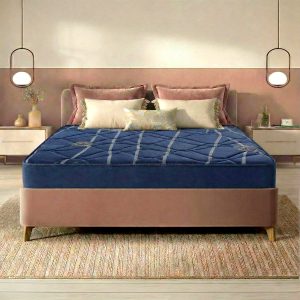
Somewhere along the way, “orthopedic mattress” became one of those phrases people buy out of fear. Your back hurts in the morning, someone tells you that you need an orthopedic mattress, and suddenly you’re shopping for the firmest slab in the store — convinced that anything softer is ruining your spine. I’ve watched this happen to so many customers that I decided to write the honest version of this conversation. Because here’s the truth: a classic orthopedic mattress is genuinely the right choice for a lot of people. And for a lot of others, it’s exactly the wrong one.
Let me be clear upfront: I’m not a doctor, and this isn’t medical advice. No mattress can promise to fix your back. What I can tell you — from years of talking to sleepers — is who tends to thrive on firm, supportive orthopedic-style sleep, who tends to regret it, and how to tell which group you’re in before you spend your money.
What “Orthopedic” Actually Means (and What It Doesn’t)
The word sounds clinical, but in the mattress world it simply describes a mattress designed to support the spine in a neutral, aligned position — usually with a firmer feel and even weight distribution. The idea is straightforward: when your spine stays straight through the night, your muscles don’t have to work to hold your posture, so you wake up feeling more rested.
What it doesn’t mean: it’s not a medical device, it’s not prescribed, and there’s no official certification that makes one mattress “orthopedic” and another not. Different manufacturers use the word differently. So ignore the label for a moment and ask the real question: does this mattress keep my spine aligned while letting my pressure points rest?
Who a Classic Orthopedic Mattress Is Really For
Back sleepers
If you sleep on your back, a firmer orthopedic-style mattress is often your best friend. Back sleeping needs a surface that fills the natural curve of your lower back without letting your hips sink too deep. On too-soft mattresses the hips drop, pulling the lower back out of alignment — that’s the morning stiffness people blame on “a bad mattress.” A classic orthopedic build resists that sinking and keeps everything level.
Stomach sleepers
Stomach sleepers need firmness even more urgently. On a soft mattress, the midsection sinks deepest, arching the lower back all night — one of the most common causes of waking up sore. If you’re a dedicated stomach sleeper, even, firm support usually feels noticeably better within the first few nights.
Heavier sleepers
Body weight changes how a mattress feels. A mattress that feels medium-firm to a 60-kilo person can feel plush and unsupportive to someone over 90 kilos, because they compress the layers more deeply. Heavier sleepers often find orthopedic-firm mattresses give them the support softer models can’t — the surface holds them up instead of swallowing them.
People who simply prefer a firm feel
This one gets overlooked, but it’s completely valid. Some people just sleep better on a firm surface — they feel more supported, move around more easily, and don’t like the “stuck” feeling of sinking in. If that’s you, you don’t need a medical reason. A classic orthopedic mattress is built exactly for this kind of sleeper.
Anyone upgrading from a sagging old mattress
If your current mattress has visible dips, almost any new supportive mattress will feel like a revelation. People coming off a sagging mattress often benefit most from going straight to firm, even support. And Matprro’s Mattress Exchange Offer lets you trade the old one in for cashback up to ₹2,300 depending on the model, in Mumbai, Pune, or Goa.
Who Should Skip It (Honestly)
A firm orthopedic mattress is not for everyone, and buying one when it doesn’t suit you is an expensive mistake.
Side sleepers with bony pressure points
This is the big one. On your side, shoulder and hip take concentrated pressure. On a very firm mattress with no cushioning layer, those points ache — you toss, or wake with a numb arm. Side sleepers can use orthopedic support, but they usually need a comfort layer on top of the firm base: cushioning for the shoulder and hip while the core keeps the spine straight.
Lightweight sleepers
If you’re on the lighter side, a very firm mattress may barely yield under you. Instead of cradling your curves, it feels like a board — your waist gets no support because the surface doesn’t contour to you. Lighter sleepers often do better with a medium feel that actually responds to their weight.
People who love the sinking-in feeling
Some sleepers rest better when they feel enveloped — the hug of memory foam or a plush pillow-top is what lets their mind switch off. Nothing wrong with that. Forcing yourself onto a firm orthopedic mattress because someone said it’s “better for you” just gives you worse sleep. Comfort you can fall asleep on beats theoretical correctness every time.
Anyone buying purely out of back-pain panic
Morning stiffness has many causes — posture, stress, an old sagging mattress, lack of movement, or something that genuinely needs a doctor. A mattress can help with the mattress-related ones, but buying the firmest option in a panic, without testing, often backfires. If pain is persistent or severe, see a doctor first. Then choose based on how your body responds, not on fear.
The Firmness Trap: Why “Harder = Better” Is a Myth
Somewhere the idea took hold that the harder the mattress, the better for your back. It’s one of the industry’s most stubborn myths. Too firm is just as bad as too soft, in the opposite direction: pressure points, an unsupported waist, and a night of tossing — exactly what you were trying to fix.
The sweet spot is support plus a little give: firm enough to keep your spine aligned, with enough cushioning that pressure points don’t protest. That’s why the best orthopedic-style mattresses aren’t bare boards — they pair a supportive core with comfort layers. When testing a classic orthopedic mattress, feel for that combination: support you can sense, cushioning you can feel.
How to Test an Orthopedic Mattress Before Committing
A firm mattress is the easiest kind to misjudge in a showroom — thirty seconds on your back tells you almost nothing. You need nights, not seconds, which is what Matprro’s Doorstep Sample Service gives you: a real 19×19 inch sample of models like the Ortho Elite, delivered to your home in Mumbai, Pune, or Goa within 48 hours, tested over two days, then collected.
Night one, sleep in your usual position and note the morning honestly: did your lower back feel supported or achy? Did your shoulders complain? Good orthopedic feel is a sense of being held level — not sinking, not perched on top. Night two, watch for pressure: numbness, constant shifting, any spot taking too much load? Those signal the firmness isn’t matched with enough cushioning for your body.
Also test changing positions and getting in and out of bed. One underrated advantage of supportive construction is mobility — easier to turn over and get up than on a deep-sinking soft mattress. If you share the bed, notice whether your partner’s movements disturb you less; firmer builds often transfer less motion.
What About Couples With Different Needs?
This comes up constantly: one partner wants firm support, the other wants plush softness. A few honest options. First, test whether a medium-firm orthopedic build with a comfort layer satisfies both — often it does. Second, many couples adapt within a week or two to a shared choice. Third, Matprro customizes mattresses to customer specifications, so different firmness feels are genuinely possible when buying from the manufacturer. The worst option is one partner silently suffering for years — test together and pick the compromise you can both sleep on.
Warranty, Lifespan, and the Long Game
Supportive constructions hold their shape well over time, since there’s less soft material to compress. Still, check the warranty — it tells you how long the manufacturer expects the support to last.
FAQs
Is a classic orthopedic mattress good for back sleepers?
Usually, yes — back sleepers need a surface that keeps hips from sinking while filling the lower-back curve, which is exactly what a classic orthopedic mattress is designed to do. Test over a couple of nights; two mornings of waking up don’t lie.
Can side sleepers use an orthopedic mattress?
They can, but pure firmness without cushioning often bothers side sleepers at the shoulder and hip. Look for an orthopedic build that pairs its supportive core with a comfort layer. Testing a real sample at home for two days tells you quickly whether your pressure points are happy.
Will an orthopedic mattress fix my back pain?
No mattress can promise that — be skeptical of any seller who says so. The right supportive mattress can remove the mattress as a cause of morning stiffness by keeping your spine aligned. If pain is persistent or severe, see a doctor; choose the mattress based on tested comfort, not hope.
How firm is “orthopedic firm” supposed to feel?
Firm enough to hold you level, with enough give to cushion pressure points — supportive, not punishing. If it feels like a wooden plank, it’s too firm for you regardless of the label. Your body weight and sleeping position decide your personal sweet spot.
How long does an orthopedic mattress last?
A well-made supportive mattress should hold its shape for many years — Matprro offers 5 to 10 years of warranty depending on the model. And when replacement time comes, the Mattress Exchange Offer (cashback up to ₹2,300 in Mumbai, Pune, or Goa) softens the upgrade cost.
The Bottom Line
A classic orthopedic mattress is a wonderful thing — for the right sleeper. Back or stomach sleeper, on the heavier side, or someone who simply sleeps best on firm, level support? It might be your best sleep decision. Lightweight side sleeper who loves sinking in? It might be your worst. Neither answer is embarrassing; they’re just different bodies with different needs.
The real mistake is choosing blind — buying the firmest thing in the store out of back-pain panic without testing how your body responds over real nights. Take the two days: get the sample to your door in Mumbai, Pune, or Goa, sleep on it properly, and let your mornings decide. To look at the orthopedic range first, browse the classic orthopedic mattress options and see which build sounds like your kind of support.
Still unsure which firmness suits your sleeping style? Call Matprro on +91-7835959392 — a straight conversation about how you sleep beats guessing.